I’m very pleased to unveil a new photography logo. It was created by R3 Design, Goshen and will be used on my website, business cards, apparell and as a photo watermark. Rafael at R3 purposefully kept me involved throughout the process. His approach made sure the final design met my every need. I was thrilled with the results. I recommend his services to anyone who wants to explore a new logo for their business.
I love how it looks on photos!
Confessions of a Former Drone Pilot
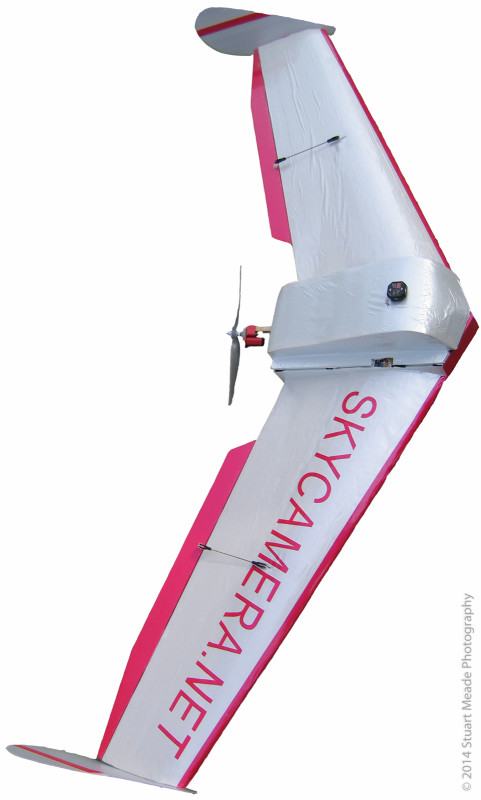
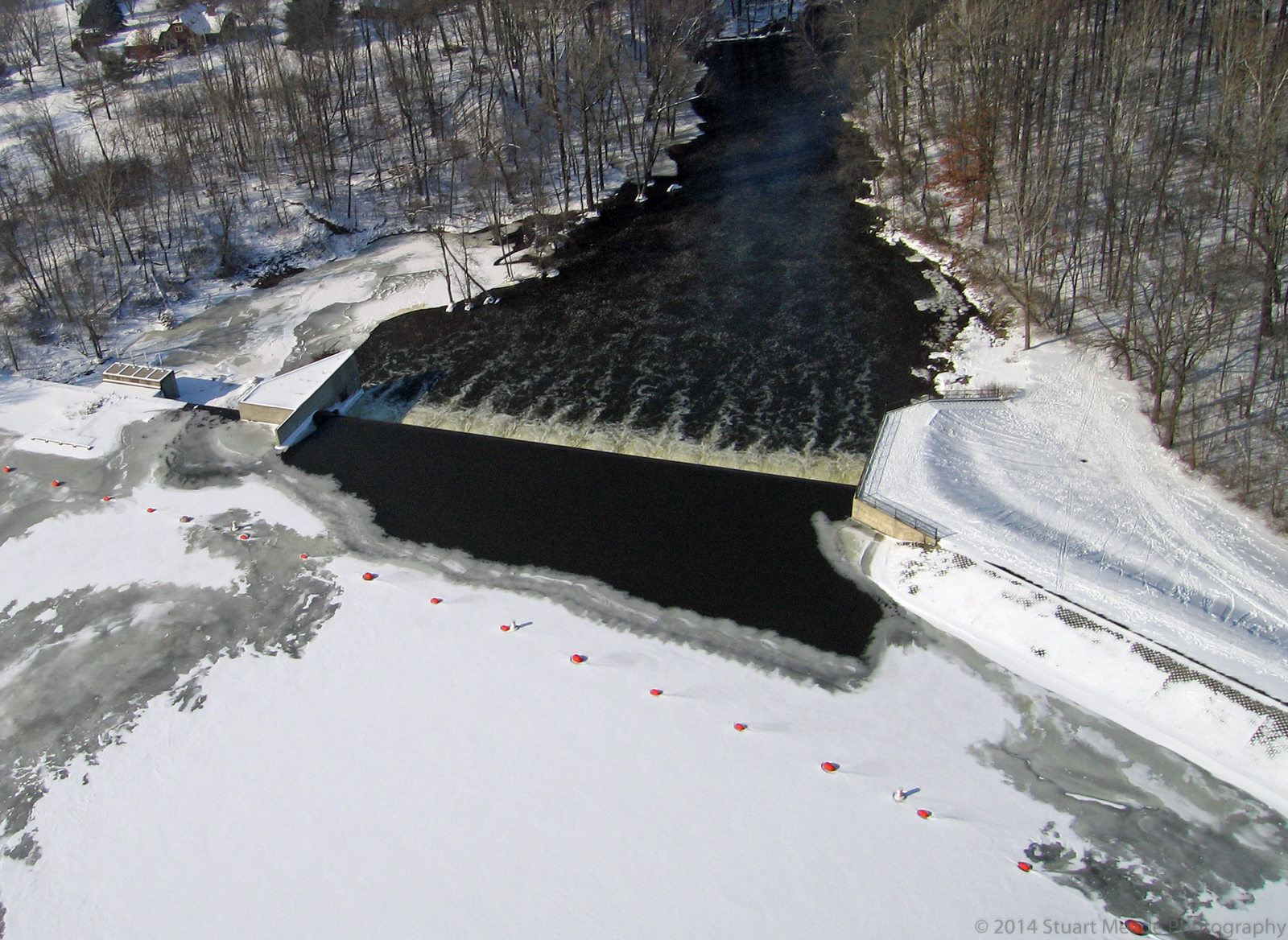
In the winter of January 2008, I flew my 5 foot long “Shutter Hawk,” custom-made, radio-controlled, camera-equipped, delta-wing high above the Goshen Pond for the last time. I had meticulously built the prized wing in my garage (and kitchen) years earlier. It was fully equipped with a camera-rotating-mechanism and a transmitter so I could monitor what the camera saw on a small video screen inside my eye-glasses. It even had an infrared co-pilot that automatically kept the aircraft flying level so I could safely shift my attention from flying to taking photos.
This wing was one of many camera-planes that I had built and flown over the previous ten years. I started flying radio controlled airplanes around 1997 and immediately outfitted them with cameras. Those early planes were crude and held together with colored packing tape and polyurethane glue, which oozed from the seams. With no concern for aesthetics, I’d mount the control servos directly to the plane’s surface; with messy wires left for all to see.
At the time, disposable film cameras were my best option. I’d velcro one near the model’s center of gravity and hope it didn’t fall off during flight (a camera dangling by wires made the plane hard to fly). Photos were composed in a hap-hazard fashion by maneuvering the plane into position and remotely triggering a servo mounted to the camera’s shutter button – “click”.
I launched my “Shutter Hawk,” on that infamous day, with the customarily (and awkward) one-handed-throw under full-throttle. The propeller caught air and the wing climbed steadily into the brilliant blue winter sky. The dark red wing performed flawlessly as I approached my subject, the half-frozen Goshen Dam.
I took many photos while I switched my attention back and forth from the wing in the sky, to the small video down-link screen inside my glasses. Everything was going well until I looked up and could no longer find the wing in the sky. I quickly referenced back to the video screen but saw the wing had changed directions and was now flying north, high above the nearby Millrace! I managed to turn the plane around but the increasing distance had weakened the video-downlink signal. I caught a few worrisome blips of disorienting video followed by static. As a last-ditch effort, I tried to locate the wing solely by the distant buzz of its electric motor. I squinted my eyes and scanned the skies in all directions. Slowly, the faint buzzing sound faded to nothing. It was gone!
The infrared co-pilot would fly the plane straight until it “landed” somewhere. A sense of anxiety washed over me as I realized the risk and danger to people and property. I felt sick. I had put an eight pound, 60″ long, pilotless flying wing into the skies above Goshen Indiana. What would it hit? Who would it hit? It had no pre-arranged flight plan, no flight attendant on-board to tell everyone to buckle their seat belts and no pilot to skillfully land it safely in the Hudson (i.e. Goshen Millrace Canal).
Taking into account its altitude and the prevailing winds, I searched high and low. I walked the nearby woods and inquired with dog-walking neighbors, the whole time listening for the sound of far-off sirens.
As days and weeks past, my concerns for public safety waned as did my hopes for getting my wing back. About six weeks after my failed flight I received a call. It sounded like a hostage situation, “Is this Stuart Meade? We have your red airplane.” I gave a colorful recap of that day’s events and convinced the man that I was the owner. He told his story of how his maintenance guy found the crashed plane on the roof of their manufacturing building over a mile away on 11th street. I was grateful they had looked up the web address printed on the wing and contacted me. Upon inspection, the camera and plane were totaled but the camera’s memory card, and its photos, where luckily intact.
That was the last time that I flew a radio controlled airplane (a drone) to acquire photos.
Despite the risks, the allure and seduction of combining new-fangled electronics with flight becomes irresistible for many. The truth is… operator error or the malfunction of a single part could result in disaster. “What could go wrong?”
Selling photos or video from unmanned aircraft has been illegal since the FAA’s Modernization and Reform Act of 2012. Despite this fact, many enthusiasts do it anyway. It’s my opinion that operating drones in populated areas, around people and traffic is not just risky, it’s down-right stupid. These days, I take all my aerial photography from the comfort of a chartered helicopter. This allows me to get something drones cannot, high-resolution shots in populated areas, with professional equipment, without compromise.
I watch as many fellow hobbyist and photographers rush out to get the next generation of fast-flying drones with their sharp-spinning propellers and heavy payloads.
I resist the temptation.
Stuart Meade
Stuart Meade Photography
Winter Storm Photos
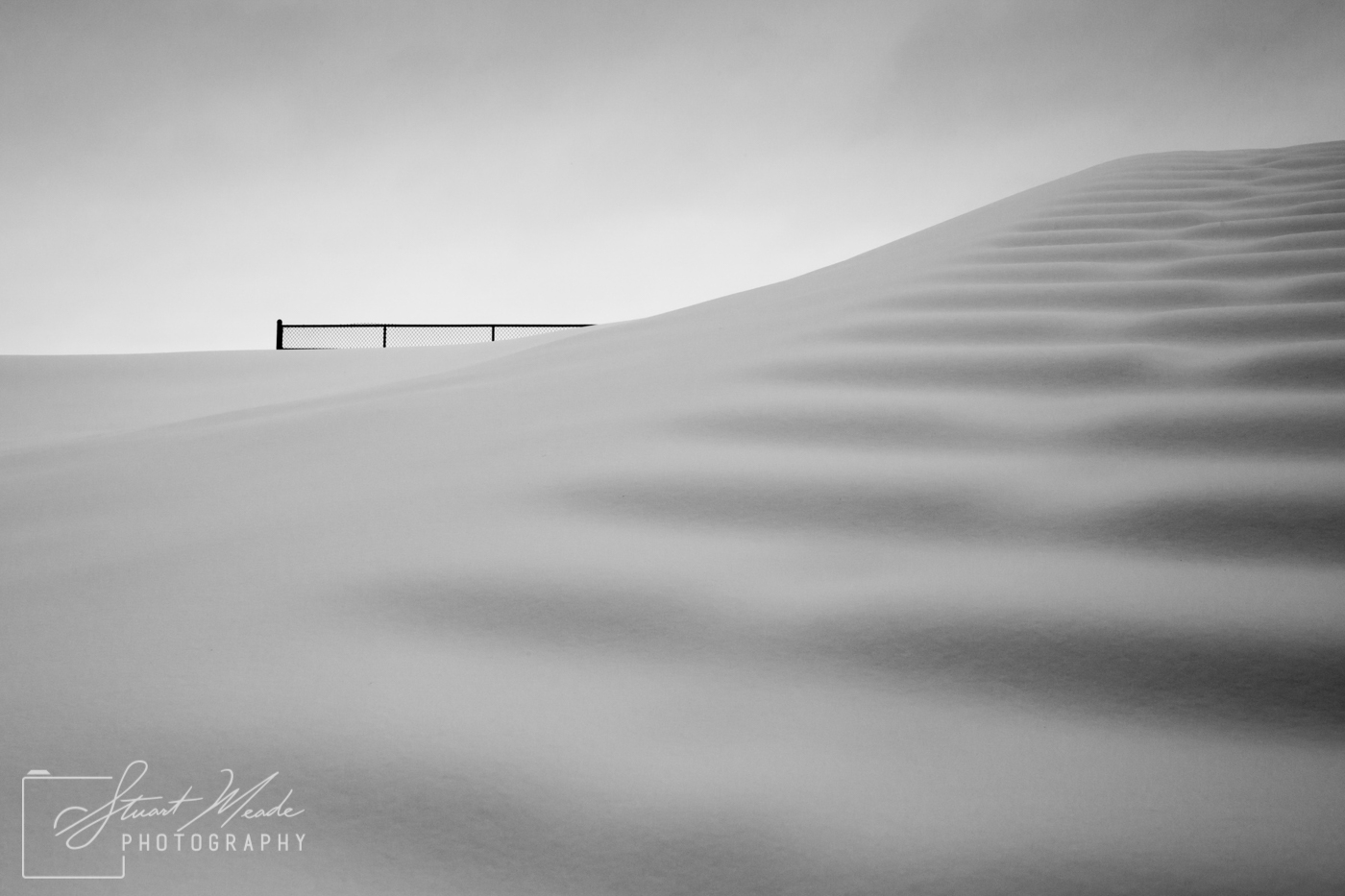
Snow and Light
Whether we like snow or not, we can all agree this winter brought us plenty of it. Snow changes things. Its whiteness and lack of contrast smooths our familiar bumpy landscapes, brightens otherwise dark areas and replaces the splendid colors of spring, summer and fall with an even monochrome blanket.
Photographers are always thinking about light, the quality of light and how it plays on our subjects. When used with portraits, hard light casts dramatic, sharp shadows while soft light gently sculpts the curves of a face and highlights fragile features and expressions. Photographers will go to extraordinary measures to create this soft light. We put sheets over windows, soft-boxes over speed-lights and require our “photo helper” Uncle Seymour to awkwardly balance a diffusion disk above his head during mid-day sun in public places.
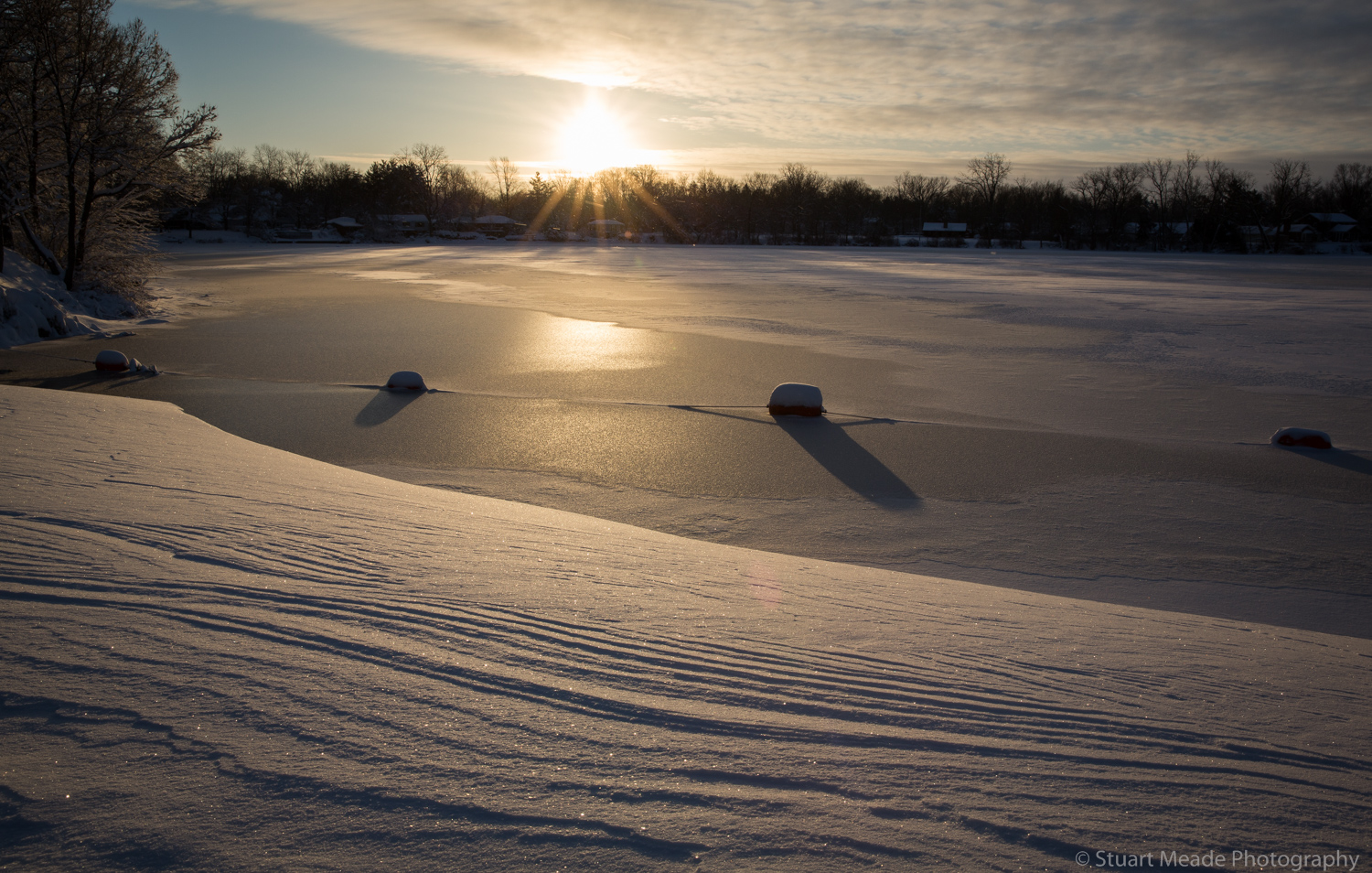
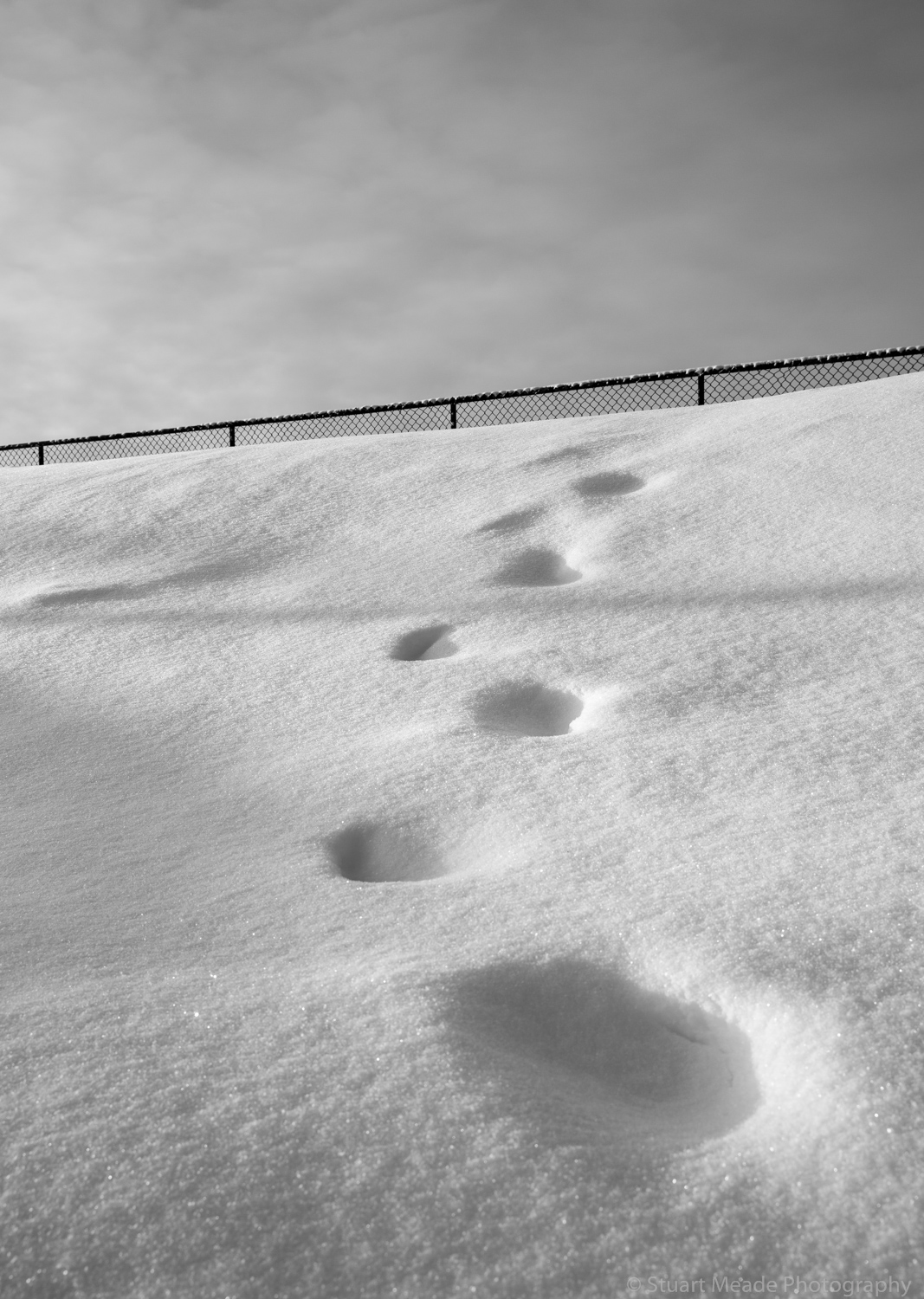
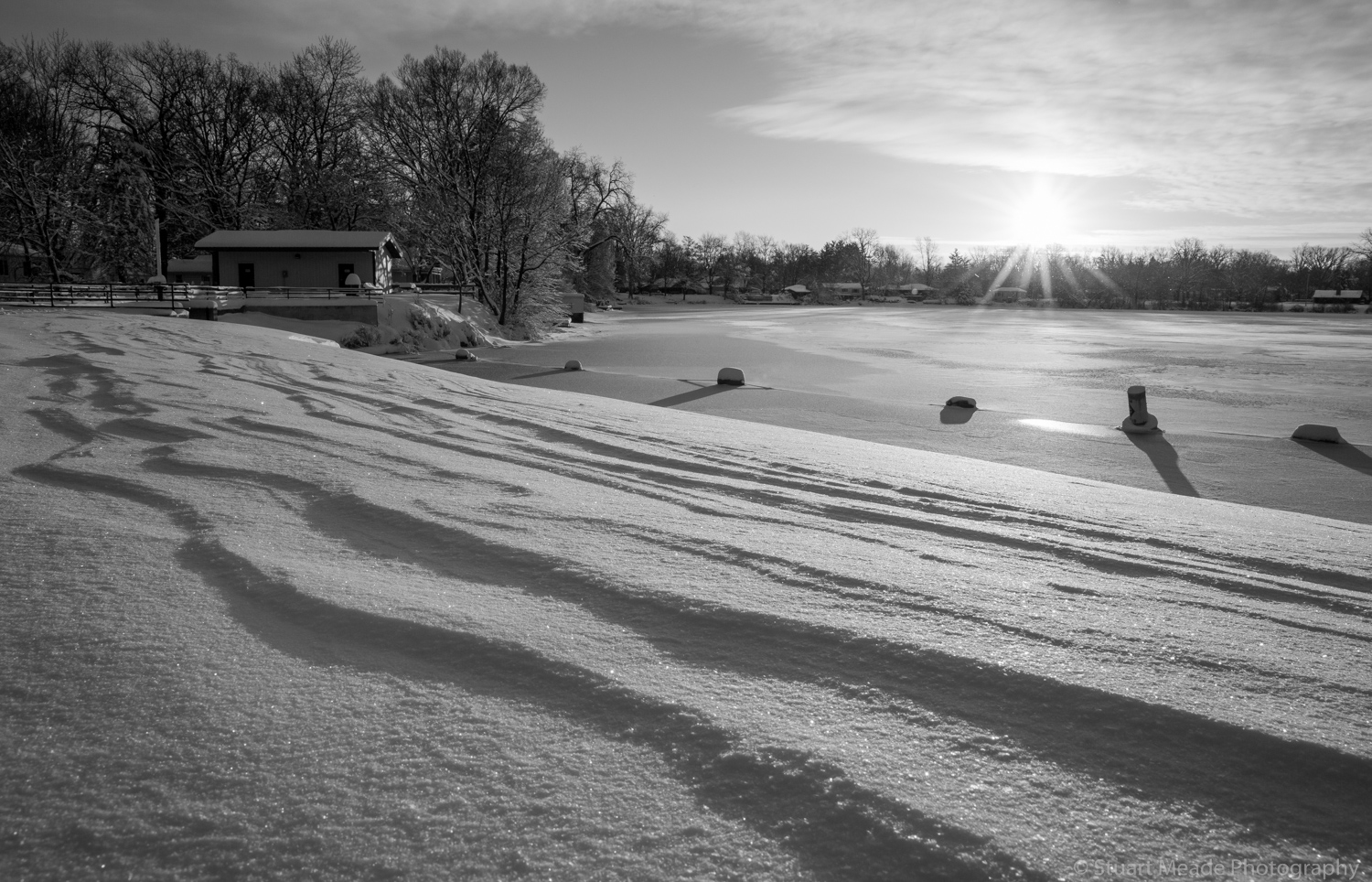
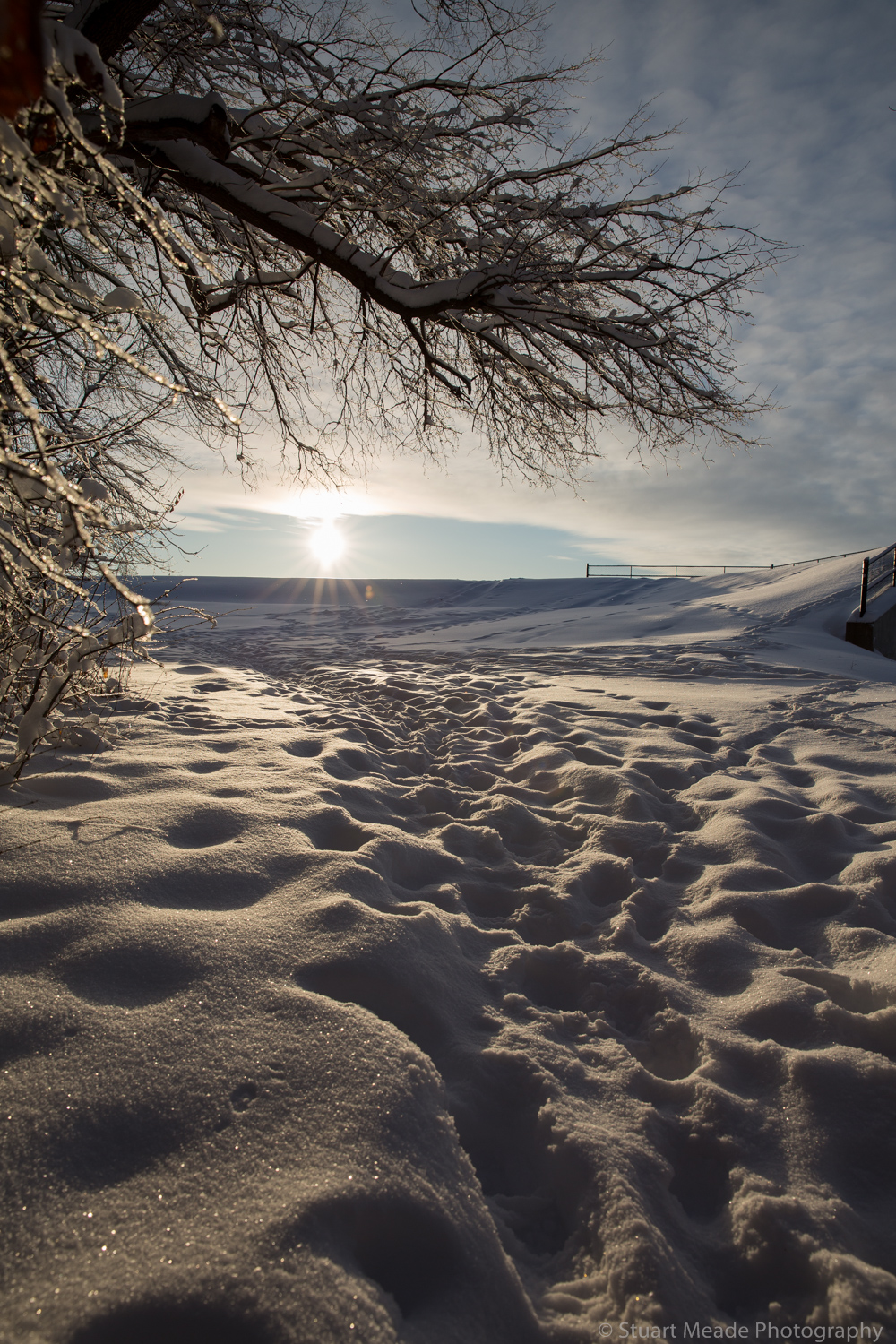
Snow also modifies light. It increases light’s intensity through reflection and softens it through diffusion. With the help of snow on the ground, a person facing the setting sun will be cast with a beautiful (albeit blinding) fill light that is painfully good for glamour-lighting portraits.
Snow is more than a subject or dressing. It is a powerful lighting tool, that surrounds us much of the winter. Enjoy it and be sure to wear sunglasses.

Quick Snowy Video
A Quck Saturday Morning Video. I shot the footage with my 6D in manual mode at 24 fps and then did the editing with Adobe Premiere Pro. I got the music came from Vimeo’s Music Store.
Hey, it’s Snowing!
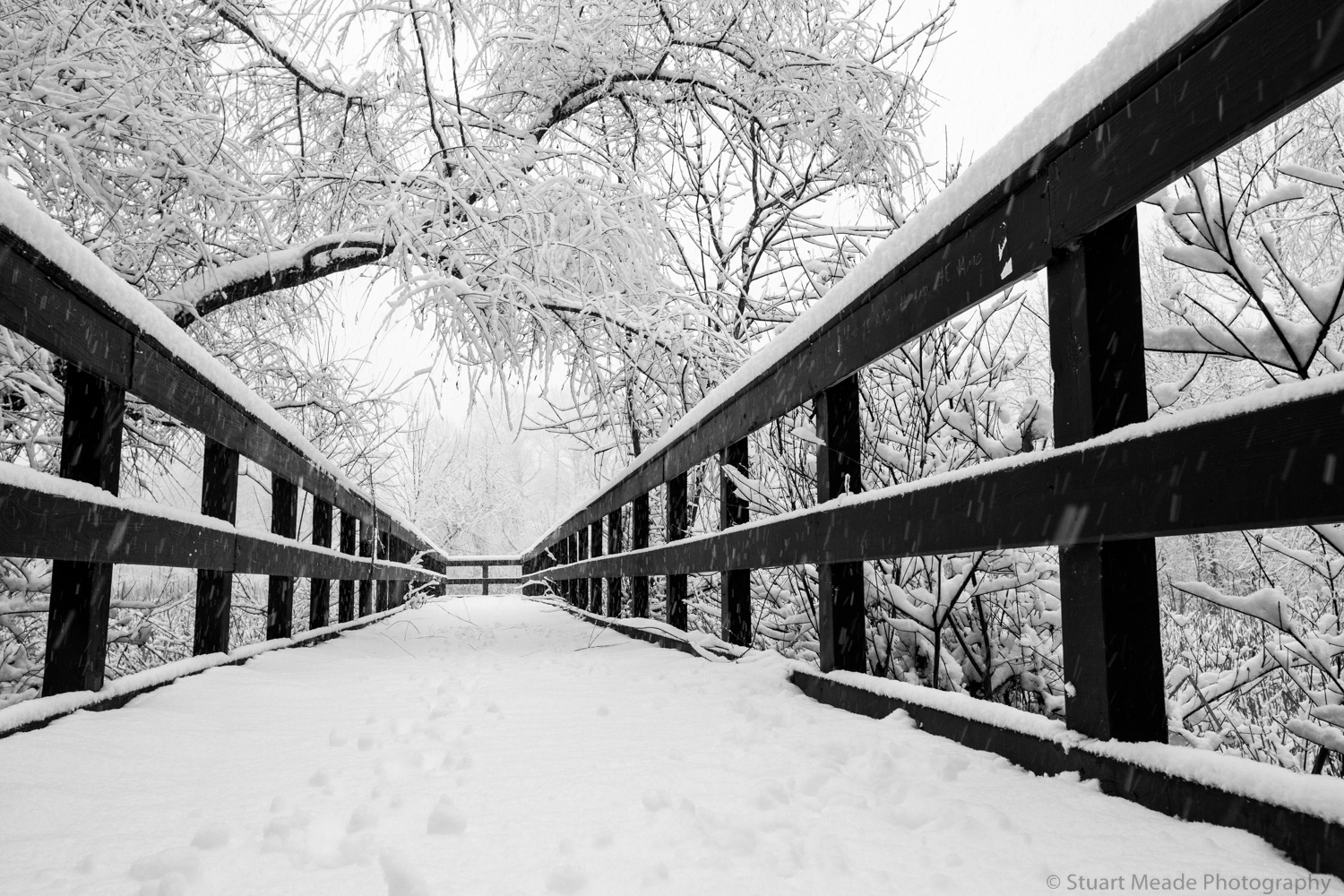
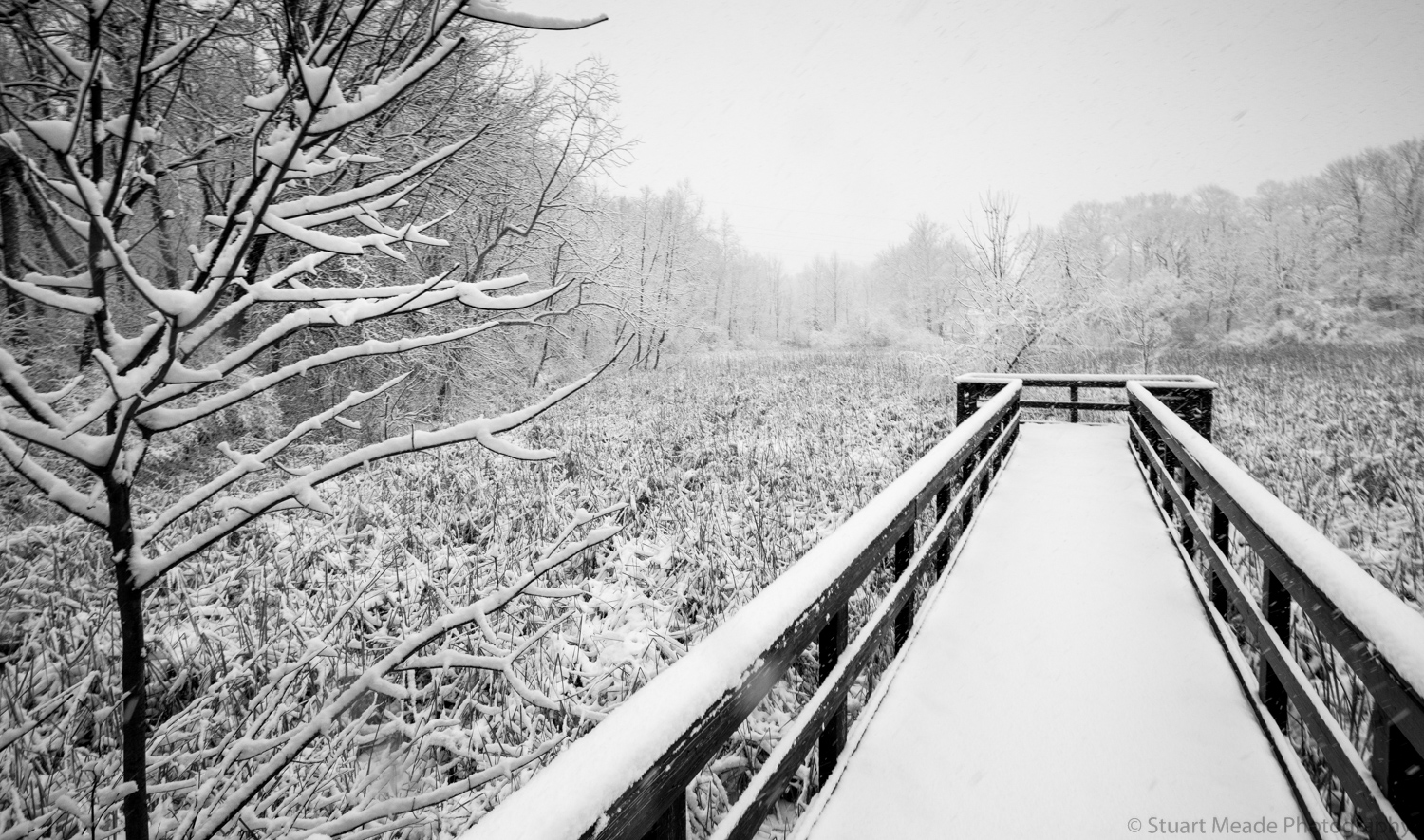
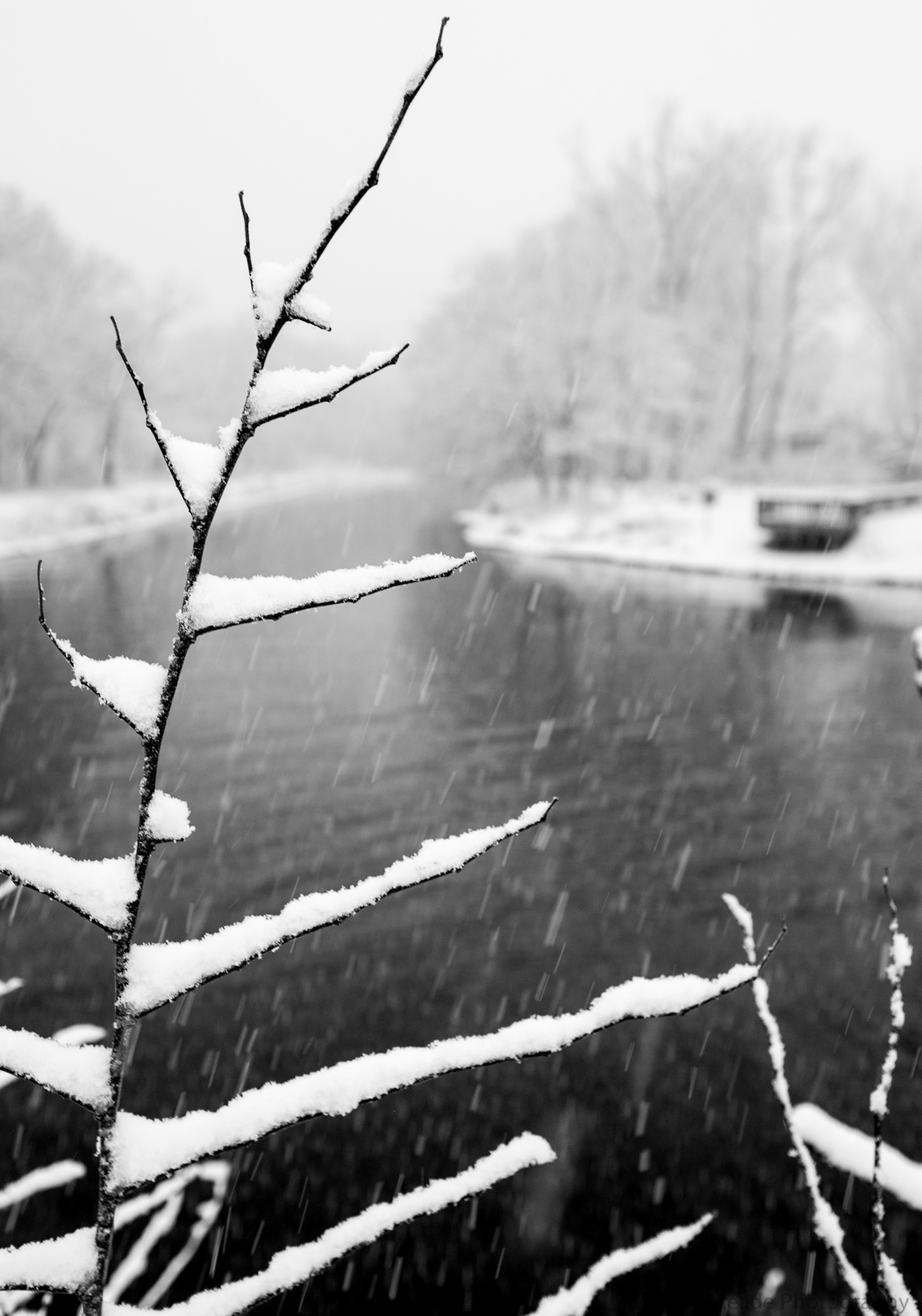
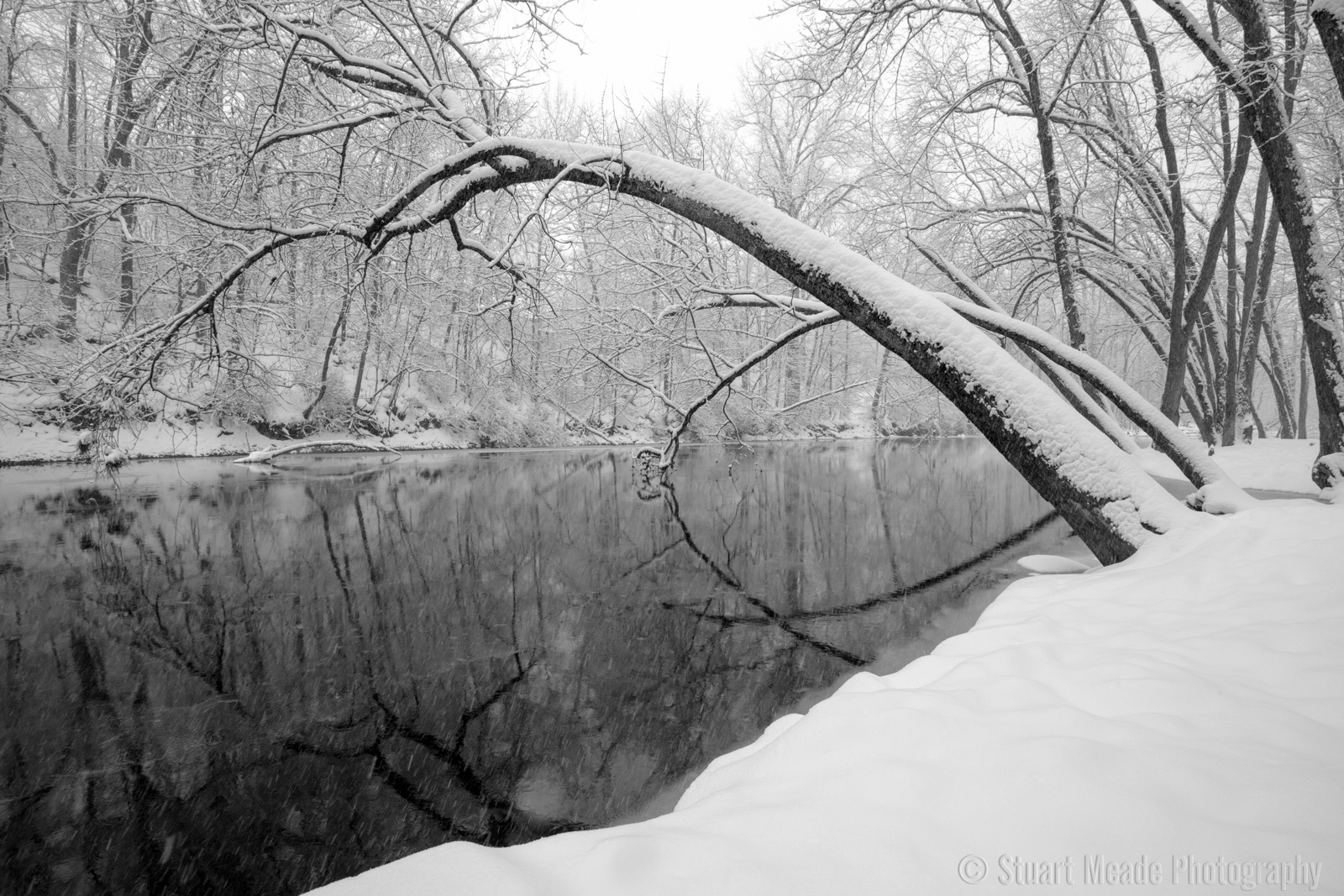
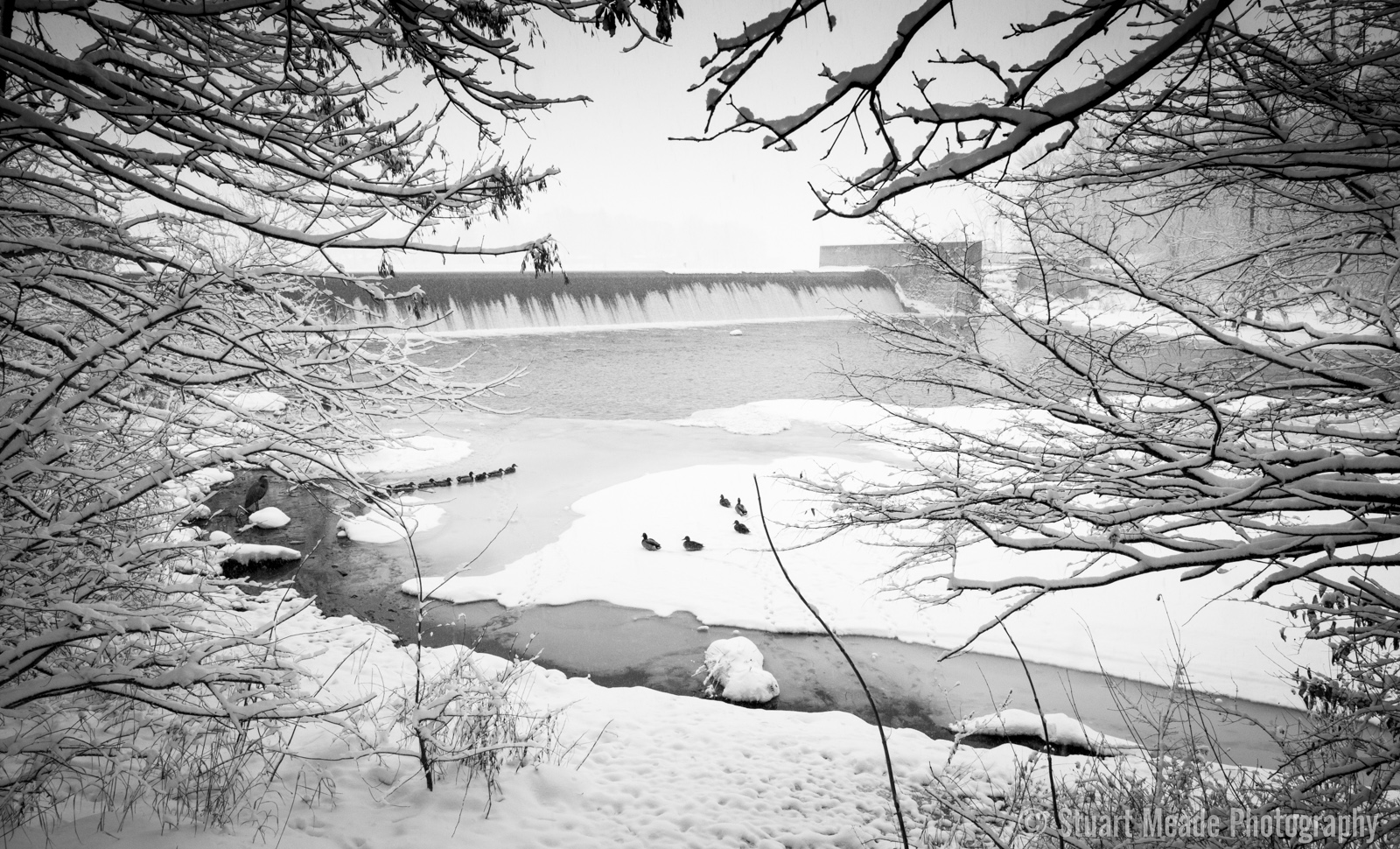
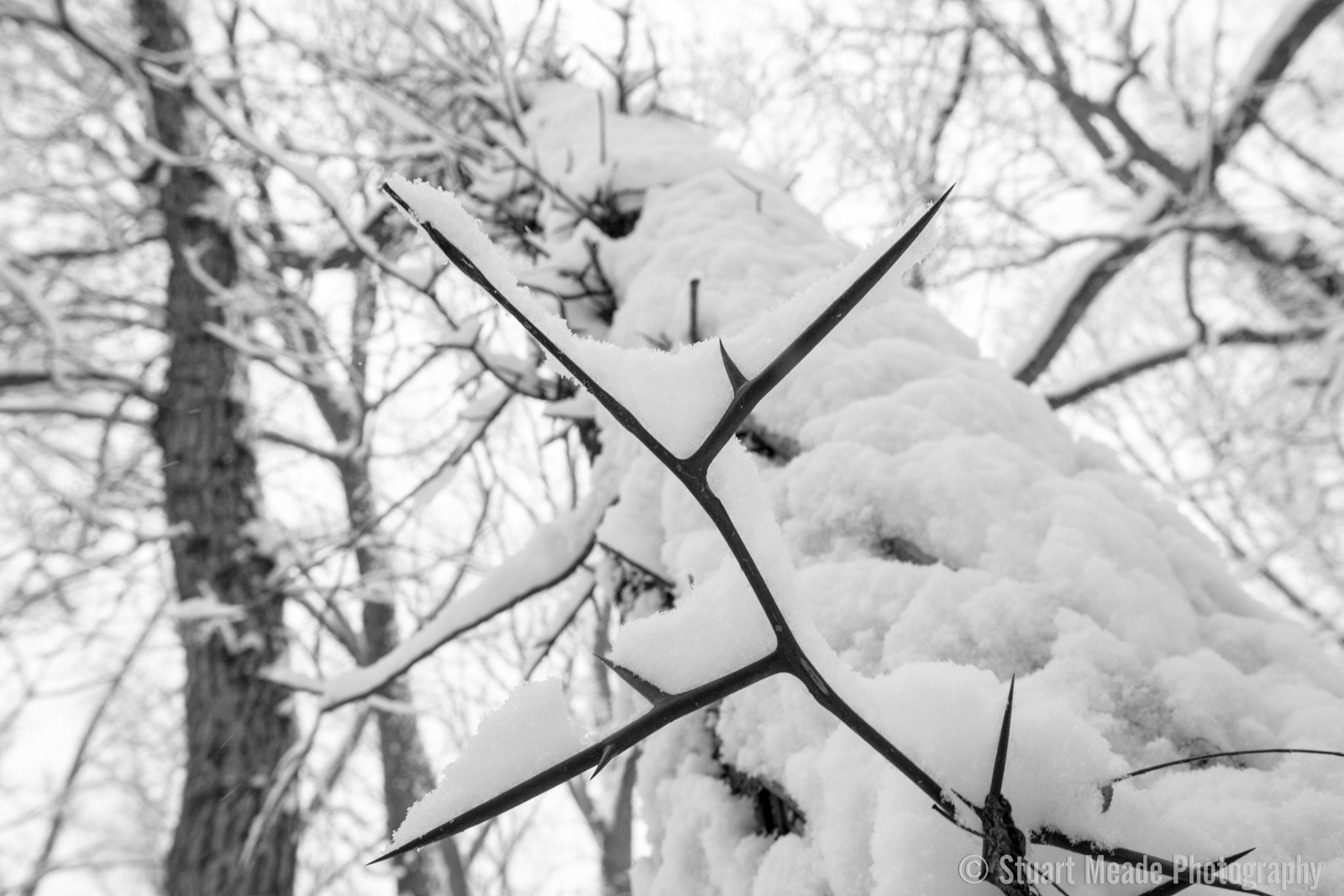
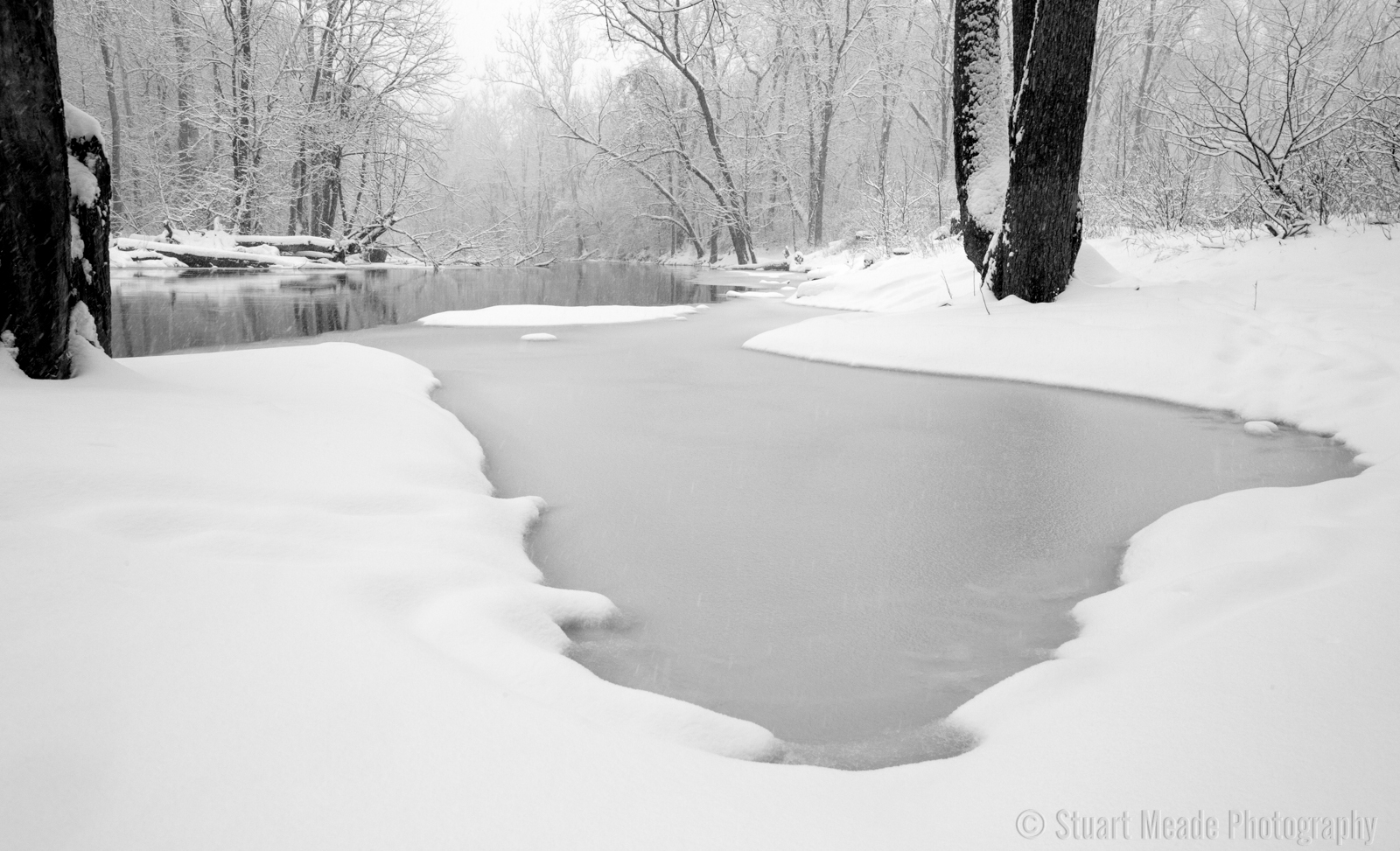
I cannot miss a snowy opportunity to take photos. I wanted to wait until evening, or at least until it stopped snowing, but I was worried that the winds would pick up and blow all the snow off the tree branches. All photos were taken at the woods down at the Goshen Dam. When taking photos in the snow, exposure compensation should be adjusted about one stop brighter because with all that white, your camera will automatically want to lower exposure. This is why snow photos usually look a bit dark. Exposure compensation can also be adjusted in post production. All photos taken with 5D Mark III and 16-35 (wide angle) lens.